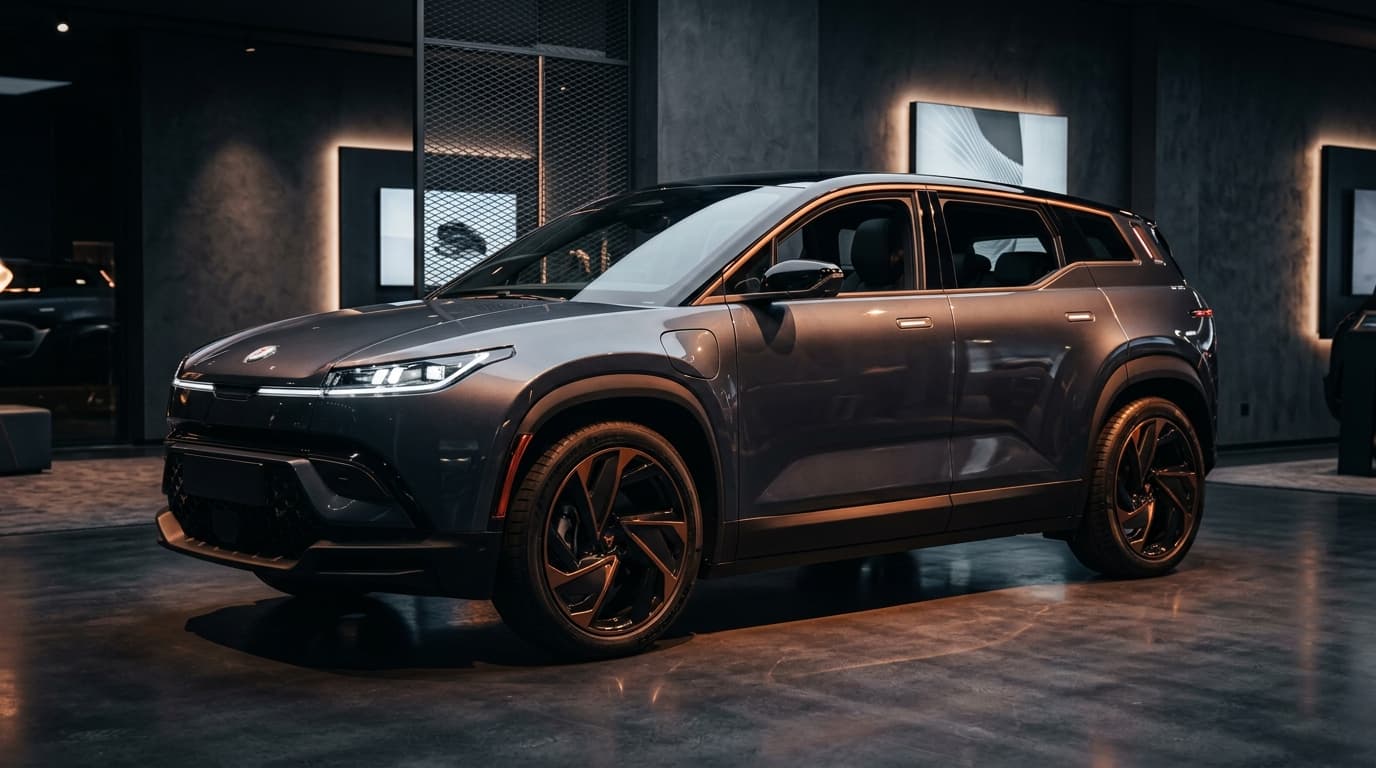
In Belgium, a Chinese SUV makes sense mainly as an EV and for anyone who keeps their car a long time. The entry price is real — MG ZS from €16,990 — but three items chip away at it: EU tariffs (up to +37.6%), fast depreciation (−42% over three years on the BYD Atto 3) and a still-young after-sales network.
Are Chinese SUVs worth the gamble in Belgium?
Yes, if you drive electric, keep the car at least five years and have a brand dealer within 30 minutes. No, if you plan to resell at three years: faster depreciation wipes out the upfront saving.
Price is still the knockout argument. An MG ZS starts around €16,990 before promotions, one of the cheapest SUVs sold in Belgium across all brands. On the electric side, the Leapmotor B10 lists from €29,900 and the BYD Atto 3 fits within the Flemish grant reserved for electric vehicles under €40,000. Equipment is almost always fully loaded as standard: 360° camera, heated seats, large screen, where a European generalist charges extra for those options.
On the Belgian market, the question is no longer "is it well built?" — it is — but "what does it really cost me over five years?". And there, the list price isn't enough: you have to add depreciation, insurance and network risk.
Which Chinese SUVs sell most in Belgium?
MG dominates by far: the brand registered 4,249 vehicles in 2024, ranking 24th in the Belgian market, ahead of BYD (2,498 units, 27th). Behind them, a dozen brands are pushing in: Leapmotor, Lynk & Co, XPeng, Zeekr, Smart, Lotus and Nio.
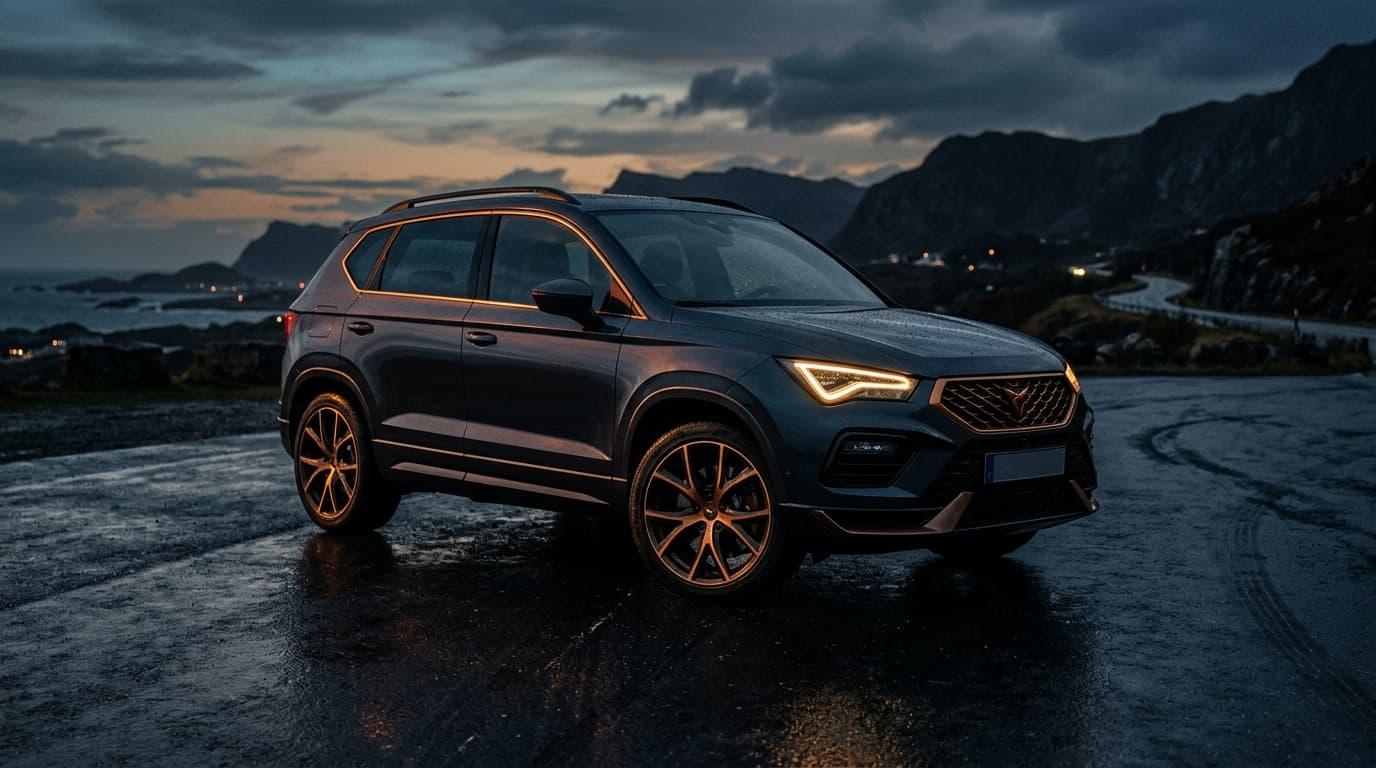
The MG ZS and MG 4 are the most in-demand Chinese models, especially on lease, alongside the BYD Atto 3. Here are the real entry prices seen on the Belgian market, with what to watch on each model.
| Model | BE entry price | Energy | Warranty | Watch out for |
|---|---|---|---|---|
| MG ZS | ~€16,990 | petrol / hybrid | 7 years | depreciation, plastics |
| MG 4 | ~€28,000 | electric | 7 years | SAIC tariff +37.6% |
| BYD Atto 3 | ~€35,000 | electric | 6 years | −42% depreciation at 3 yrs |
| Leapmotor B10 | €29,900 | electric | 5-6 years | young network |
| Lynk & Co 01 | ~€35,000 (used) | PHEV | 5 years | PHEV tax targeted 2026 |
In practice, two profiles win: the MG ZS for the tight budget that wants a genuine new SUV under €20,000, and the MG 4 or BYD Atto 3 to go electric without blowing the budget. The other brands remain bets, best kept for those with a dealer nearby, as the Moniteur Automobile round-up of Chinese brands points out.
Do EU tariffs change the maths?
Yes, upwards. Since late 2024 the European Union has applied countervailing duties on electric cars imported from China: 17.4% for BYD, up to 37.6% for SAIC, MG's parent company, on top of the 10% duty already in force.
These duties hit cars built in China, not those assembled in Europe. That's why the makers are relocating: BYD is building a plant in Hungary, Leapmotor already produces with Stellantis in Poland. By 2026-2027 part of the range will be "Made in Europe" and escape the tariffs. The figure that matters: an anti-subsidy investigation now targets Chinese plug-in hybrids, with duties floated for 2026 that could exceed 30% on top. (BE note: the SPF Finances applies these as part of customs value.)
What we'd avoid: signing a Chinese PHEV imported just before those taxes take effect, betting on a price that could climb. Conversely, a model already in stock or built in Europe is safe. La DH's piece on the new Chinese SUVs coming to Europe confirms the range will widen, with local production to follow.
Does a Chinese SUV depreciate faster?
A bit faster than average, but no collapse. The BYD Atto 3 loses about 42% of its value after three years, where a well-rated European equivalent sits around 35-40%. The gap exists, it isn't dramatic, but it changes the maths on a quick resale.
The cause is known: uncertainty over the brand's and network's longevity weighs on resale value. A used buyer hesitates to take on a car when they don't know whether the maker will still be around in five years for parts. As a result, a Chinese model still under transferable warranty resells far better than one out of warranty, where depreciation accelerates. The market data cited by Caradisiac on Chinese-car depreciation shows no brand truly drops off, bar a few isolated cases.
This depreciation has a hidden effect on insurance. The "new-value" cover on a fully comprehensive policy spans a wider gap between the price paid and the buy-back value, and the insurer passes that risk on to the premium from year one. On the Belgian market, it pays to get several quotes before signing: a premium gap can erase part of the discount won at purchase.
How good are the after-sales network and warranty?
The warranty is a genuine strength: MG offers 7 years, BYD at least 6, and Aiways covers the battery for 8 years. On paper, that beats most European generalists. The weak link is the network and part delays.
In practice, a motoring club or dealer may quote 3 to 8 weeks for certain body panels at MG and BYD, for lack of enough local stock. For an electric model that isn't a deal-breaker — an electric motor has far fewer moving parts than a combustion engine, so fewer major failures — but a simple parking knock can sideline the car for a month. That's what the click2move guidance on Asian used cars in Wallonia stresses: after-sales often matters more than the spec sheet.
On the Belgian market, the rule is simple: check that a brand dealer provides service within 30 minutes of home, and that the warranty is transferable to a second owner. Without those two conditions, the deal of the century can turn into a headache. The RTBF put the question bluntly: you can't yet buy Chinese with your eyes closed, but the bet becomes reasonable with a solid network.
Which Chinese SUV to avoid, and which to choose?
Avoid niche brands with no dealer in your region, Chinese PHEVs imported on the eve of a tariff hike, and any purchase planned for a two- or three-year resale. Choose an electric MG or BYD, kept for the long haul, with a transferable warranty and a workshop nearby.
For a tight budget that wants a new SUV, the MG ZS stays unbeatable under €20,000, provided you accept ordinary plastics and slightly sharper depreciation. To go electric without breaking the bank, the MG 4 and BYD Atto 3 are the safe bets right now: full equipment, decent range, long warranty. The Leapmotor B10, cheaper still, is the boldest bet, best kept for those with a dealer next door.
To compare more widely, our guide to the best electric SUVs in Belgium details real range by model, and our pick of reliable used SUVs recalls the European and Japanese alternatives. A Chinese SUV is no longer a bad choice in itself; it's a choice you calculate over five years, not on the price in the showroom window.
Frequently asked questions
Yes, with conditions. A Chinese electric SUV makes sense if you keep the car at least five years, have a brand dealer nearby and buy before any tariff hike. The entry price is real (MG ZS from ~€16,990), but faster depreciation and a young after-sales network wipe out the saving if you resell at three years.
The MG ZS remains the most affordable Chinese SUV, from about €16,990 before promotions, making it one of the cheapest SUVs on the Belgian market across all brands. On the electric side, the Leapmotor B10 starts at €29,900 (€31,900 for the larger battery), one of the lowest entry points in the segment.
Yes, slightly faster than established brands, but without a general collapse. The BYD Atto 3 loses about 42% of its value after three years on sale. Uncertainty over the brand's and network's longevity weighs on resale prices; a model still under transferable warranty resells noticeably better.
Most offer at least five years. MG goes to 7 years, BYD guarantees at least 6, and Aiways covers the battery for 8 years. Above all, check that the warranty is transferable to a second owner and that the nearest dealer actually provides service, because part delays can reach 3 to 8 weeks.
They contribute to it. The EU applies countervailing duties of 17.4% on BYD and up to 37.6% on SAIC (MG) for EVs imported from China, on top of the usual 10%. An investigation into plug-in hybrids is targeting 2026. Makers producing in Europe (BYD in Hungary, Leapmotor in Poland) will escape these tariffs.
Sometimes, because of depreciation. The 'new-value' cover on a fully comprehensive policy spans a wider gap between purchase price and buy-back value, and the insurer prices that risk in from year one. Get several quotes before signing: the premium gap can erase part of the saving made at purchase.
Avoid brands with no dealer in your region: without nearby service, a single body panel can sideline the car for weeks. Be wary of Chinese PHEVs bought just before the new tariffs take effect, and of any purchase planned for short-term resale, where faster depreciation will cost you the initial saving.
We dig through the Belgian market data — TÜV reliability, real-world ADAC consumption, company-car taxation, list prices — to call it straight. No brand pays us.